
Training Hard but Not Recovering? The Missing Link Between Exercise, Hormones and Inflammation
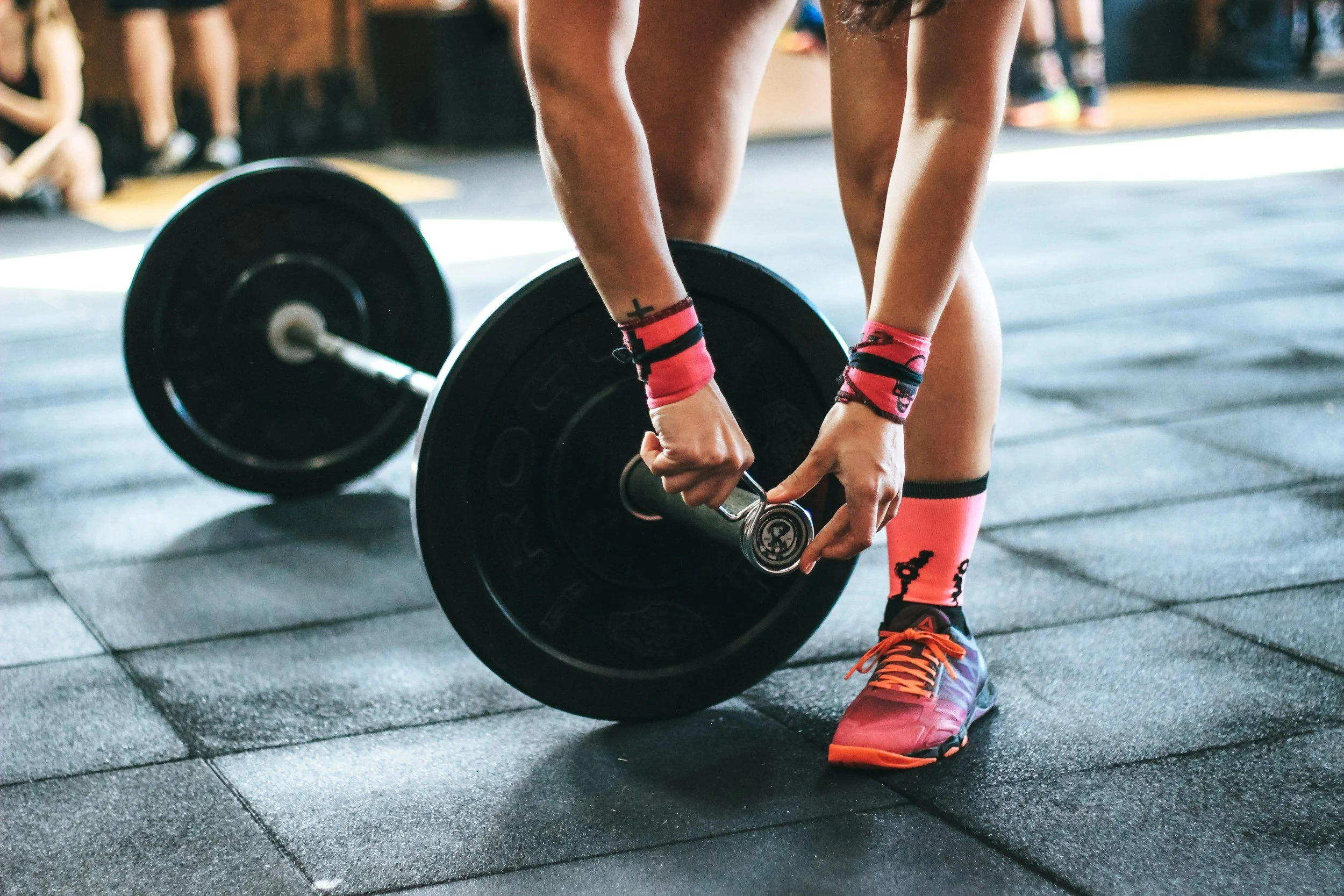
Are you training consistently but not seeing the results you expected? Are you feeling constantly sore, getting injured more often, or wondering why what used to work no longer seems to work?
We talk a lot about training — how to train, what exercises to do, and how often to do them. But how much do we talk about recovery as part of the training process?
As a nutritionist specialising in hormone and gut health, I have worked with many women to improve their nutrition, exercise, and overall health. One thing I have learned is that there is no one-size-fits-all approach, especially when it comes to female health.
It is important to look deeper. What is your hormonal baseline? Do you have a condition such as endometriosis? How old are you? Are you entering perimenopause? Are you under chronic stress? All of these factors matter because we each come to training with a different starting point.
I was inspired to write this piece when a friend told me she was doing everything she had been told to do: strength training, HIIT, yoga for relaxation, eating her macronutrients, prioritising protein, and using HRT. Yet she was still struggling to lose weight and build muscle.
So, what was happening?
Her baseline was this: she had a history of endometriosis, she was in perimenopause, and she had spent several years living in a state of chronic stress. Combined, this meant her body was likely dealing with chronic, low-grade inflammation — something that can be more common in women with endometriosis and during the perimenopausal transition.
What is inflammation?
Inflammation is not always bad. In fact, it is protective. In an acute state, inflammation is part of how your body adapts to strength training and conditioning.
The problem arises when that inflammatory signal stays switched on because recovery inputs — sleep, rest days, protein, carbohydrates, micronutrients, and overall energy intake — do not match training outputs. This is especially important when life is already stressful.
There is no doubt that strength training is one of the most beneficial forms of exercise for maintaining and building muscle mass, supporting bone density, improving brain health, supporting metabolic health, and reducing the risk of insulin resistance and high blood pressure. For many women, it can also be a powerful way to manage day-to-day stress.
But even beneficial stress is still stress. And the body needs the right conditions to adapt.
What happens when you strength train?
When we engage in strength training, we place the body under controlled stress. The body then adapts in order to become stronger. This adaptation happens across both the muscular system and the nervous system.
Micro-tears and muscle fibre disruption
Resistance training creates mechanical tension. This can cause small disruptions in muscle fibres and connective tissue, especially during eccentric movements, such as lowering a weight slowly.
This contributes to delayed-onset muscle soreness, also known as DOMS, and triggers repair and remodelling pathways.
Inflammation as a tool
After training, immune cells and cytokines temporarily increase to help coordinate clean-up, repair, and adaptation. One cytokine, IL-6, is released from contracting muscles and plays a role in exercise metabolism and inflammatory signalling.
In a well-recovered body, this response is temporary and returns toward baseline. However, when the body is not recovering well, the inflammatory response can become more persistent. Over time, this may contribute to systemic inflammation, reduced resilience, poorer recovery, and increased muscle damage.
Satellite cells and remodelling
Satellite cells, often described as muscle stem cells, play an important role in skeletal muscle repair and remodelling after exercise.
As we age, satellite cell activity and muscle repair capacity can change. This is one reason recovery may feel different in midlife compared with our twenties or early thirties. Chronic inflammation may also interfere with normal repair processes, which is why your underlying health picture matters.
Neuromuscular adaptation
Strength training is not just about the muscle itself. It also trains the nervous system.
The goal is to improve strength, power, coordination, and the body’s ability to recruit and activate muscle fibres. This helps increase force production and movement efficiency.
This is also why heavy training can feel draining, even if the session was not particularly long.
Important note: inflammation immediately after training is necessary for adaptation. The issue is not acute inflammation. The issue is when inflammation becomes chronic, low-grade, and unresolved.
Why rest, recovery, and fuelling are essential
Rest and recovery are when the body adapts.
The workout itself is only one piece of the puzzle. If we constantly repeat hard, intense sessions without adequate fuel and recovery, the body may start to feel fatigued, performance may drop, and inflammation may remain elevated.
Common signs of poor recovery include:
Soreness that lingers and disrupts your next session
Plateauing or declining strength and performance
Sleep disruption, especially waking early or feeling wired at night
Mood changes, irritability, or reduced motivation
Frequent colds or low immune resilience
Increased cravings or feeling constantly hungry
Feeling flat, heavy, or exhausted during workouts
For women, there is an added hormonal layer that can influence recovery, sleep quality, fuel needs, muscle building, and inflammation.
The hormone-recovery connection
Oestrogen
Oestrogen has anabolic and anti-inflammatory effects. It supports muscle repair, collagen production, bone density, and neuromuscular efficiency.
In perimenopause, oestrogen begins to fluctuate and eventually decline. This can make recovery feel harder, especially without adequate fuel, protein, carbohydrates, micronutrients, sleep, rest days, and stress reduction.
Oestrogen also helps maintain muscle mass and supports long-term bone and joint health.
Progesterone
Progesterone is often thought of as a calming hormone. It supports relaxation and can influence tissue repair, sleep, and temperature regulation.
During times when progesterone is higher, exercise intensity may feel harder for some women. Lifting heavy or pushing through high-intensity sessions may not always feel the same across the cycle.
Testosterone
Testosterone is also important for women. In healthy amounts, it supports lean muscle mass, protein synthesis, strength, motivation, and repair.
Cortisol
Cortisol is a normal and essential hormone. We need it to wake up, respond to stress, and exercise.
The problem is not cortisol itself. The problem is when cortisol remains chronically elevated or dysregulated.
The body cannot always distinguish between life stress, exercise stress, overtraining, poor sleep, under-fuelling, emotional stress, or work pressure. To the body, stress is stress.
This is why finding the right balance between training, recovery, nutrition, and lifestyle is so important.
During perimenopause, hormonal shifts and lifestyle pressures often make recovery feel harder. Sleep quality can change, life stress may be higher, and many women are unintentionally under-fuelling, especially when trying to lose weight. Low energy availability can amplify stress signalling and reduce recovery capacity.
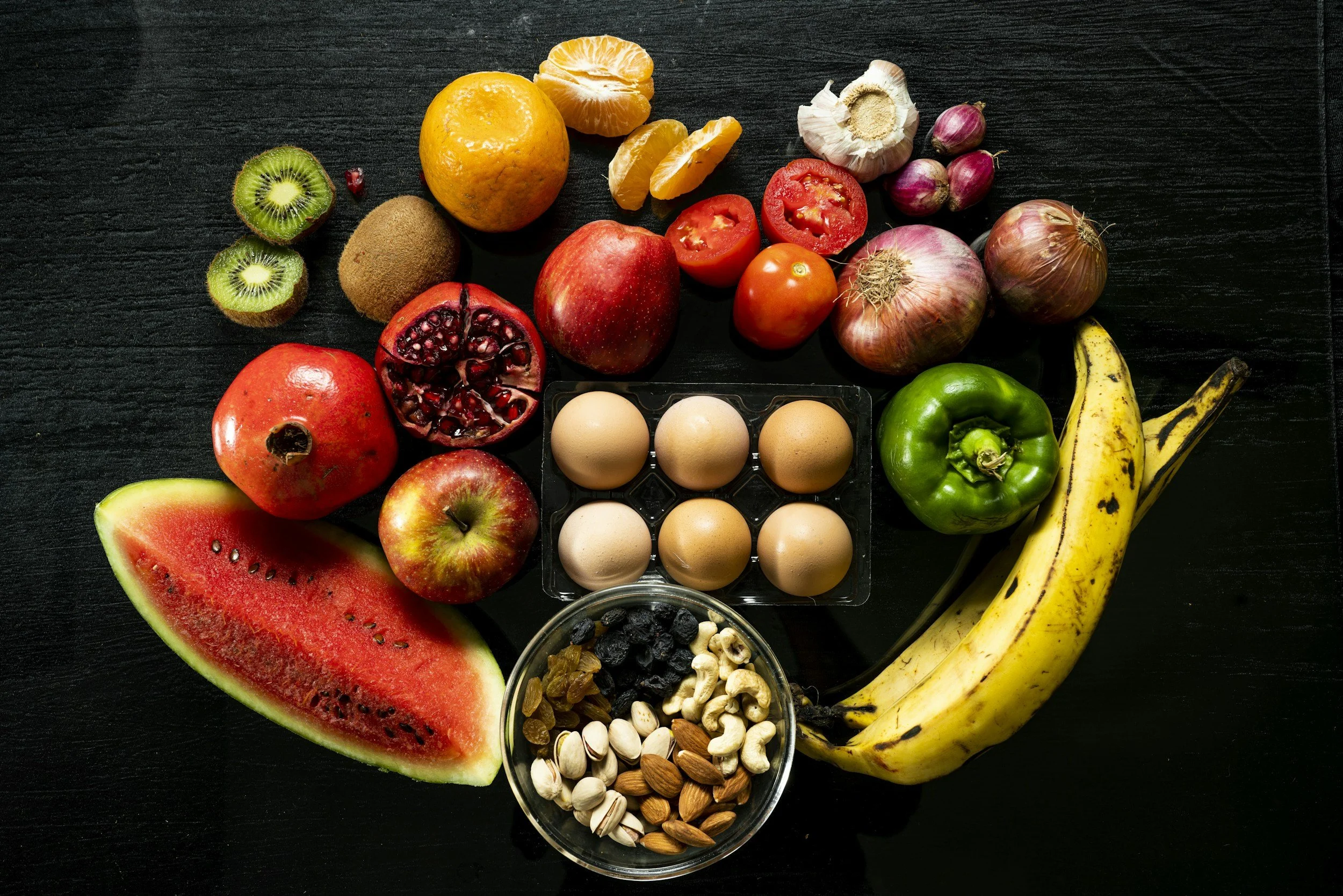
How to eat to support training and calm inflammation
1. Eat protein at every meal
Protein helps rebuild muscle and support recovery.
As we age, our muscles can become less responsive to protein. This means we may need to be more intentional with our intake to maintain muscle mass and support repair.
It is also important to consider digestion. Stomach acid, pancreatic enzymes, bile flow, and gut health can all influence how well we break down and absorb protein.
2. Do not skip carbohydrates
Carbohydrates support glycogen restoration and reduce the perceived stress of training, especially if you lift weights or do HIIT.
Carbohydrates can also support sleep quality and recovery for many women.
Before training, some women benefit from fast-digesting carbohydrates, such as toast with honey, fruit, or another easily tolerated option. The amount depends on your goals, training intensity, and individual tolerance.
3. Focus on a Mediterranean-style diet
A Mediterranean-style diet is rich in vegetables, fruit, berries, cherries, legumes, whole grains, extra virgin olive oil, nuts, seeds, fatty fish, and quality lean proteins.
This way of eating provides fibre, antioxidants, polyphenols, omega-3 fats, and micronutrients that support inflammatory balance, gut health, and recovery.
4. Ask yourself: am I eating enough to recover?
Chronic under-eating while training hard is one of the most common reasons women struggle with recovery.
Are you always in a calorie deficit? Is your fat loss goal structured, or has it become a long-term state of restriction?
If fat loss is the goal, aim for a modest deficit with adequate protein, carbohydrates around training, and planned recovery or deload weeks. Personalised guidance can help you get better results without pushing your body into a constant stress state.
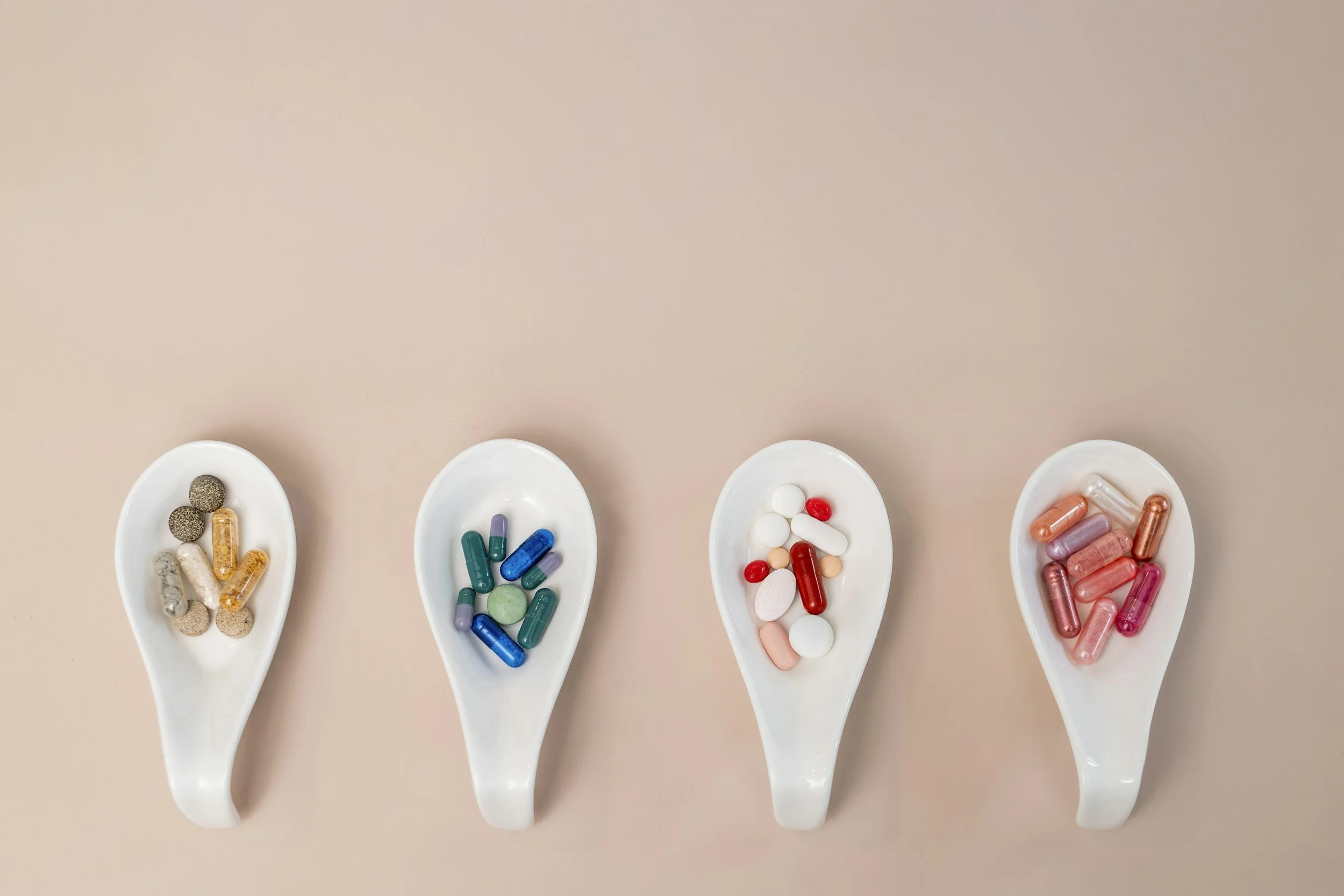
Key supplements to consider
Hormonal baseline, hormonal conditions such as endometriosis or thyroid dysfunction, and hormonal shifts in perimenopause can all change the way women respond to training.
Recovery may feel slower, muscle soreness may linger longer, sleep may become less restorative, and stress may amplify inflammation and fatigue.
This does not mean you should stop exercising or avoid strength training and HIIT altogether. It means the “after” matters just as much as the workout itself: nourishment, sleep, recovery, stress support, and individualisation.
Supplements are never a substitute for the basics: balanced nutrition, an anti-inflammatory diet, strength training, recovery, sleep, and a nutrient-dense diet. However, they can be useful when they address a specific need.
The most effective approach is to choose supplements based on the individual picture, whether that is ongoing soreness, repeated HIIT fatigue, higher inflammation, poor sleep, low nutrient intake, or increased recovery demands.
Magnesium
Magnesium is an important mineral and electrolyte involved in muscle function, nervous system regulation, energy production, and sleep.
We can get magnesium from foods such as dark leafy greens, almonds, nuts, seeds, legumes, and whole grains. However, magnesium can become depleted during periods of high stress, intense exercise, poor sleep, or low intake.
Signs of low magnesium may include leg cramps, fatigue, headaches, poor sleep, and muscle tension.
Magnesium glycinate is a commonly used form because it is generally well tolerated, highly bioavailable, and may support relaxation, muscle recovery, and sleep due to its combination with the amino acid glycine.
Creatine monohydrate
Creatine is getting a lot of attention, and for good reason. It is one of the most well-researched supplements for supporting strength, power, training tolerance, and lean muscle mass.
This becomes especially relevant during perimenopause, when muscle retention and recovery can become more challenging.
A common maintenance dose is 3–5 grams daily. Emerging research is also exploring creatine’s potential benefits for brain health, mood, cognition, and healthy ageing.
Omega-3 fatty acids: EPA and DHA
Omega-3 fatty acids are known for their anti-inflammatory properties. They may help support inflammatory balance, especially if you do not regularly eat oily fish.
They may also help reduce muscle soreness and support recovery from training.
Curcumin
Curcumin, the active compound in turmeric, may help reduce delayed-onset muscle soreness and markers of muscle damage.
As mentioned earlier, some inflammation after exercise is normal and necessary. Curcumin appears to help reduce excessive muscle pain and damage without necessarily interfering with normal healing processes.
It is generally best used strategically rather than as an everyday supplement. Medication use, liver health, gallbladder history, and digestive tolerance should all be considered.
Coenzyme Q10 or ubiquinol
CoQ10 supports mitochondrial function and helps reduce oxidative stress.
In midlife, mitochondrial health can begin to decline. Because mitochondria are responsible for energy production, CoQ10 may play a role in supporting exercise performance, energy, and muscle recovery.
Typical doses vary depending on the individual and their goals.
Vitamin D
Vitamin D supports muscle function, immune health, bone health, mood, and gut health.
Low vitamin D levels may contribute to poorer recovery, lower mood, reduced muscle performance, and immune changes.
Due to reduced sun exposure, winter months, and sun-safe practices, vitamin D deficiency is becoming increasingly common. It is best to check your levels before supplementing. When supplementing, many people choose vitamin D3 with K2, depending on individual suitability.
Bonus options
Other options that may support training and recovery include tart cherry juice, which is rich in polyphenols and may support oxidative stress reduction, and beetroot extract, which is rich in nitrates and may help enhance blood flow.
What is your ultimate goal?
Ultimately, we want to train for a better future.
Training, nutrition, sleep, stress, hormones, gut health, and lifestyle all need to be considered. Think about what your body needs, what your baseline is, and work from there.
A targeted, individualised approach will always be more effective than following generic advice or taking a long list of supplements without purpose.
Disclaimer
The information provided in this article is for educational and informational purposes only and is not intended as medical advice. While the content is written by a qualified nutrition professional, it should not be used to diagnose, treat, cure, or prevent any disease or health condition.
Nutritional recommendations, including the use of foods, herbs, and dietary supplements, are general in nature and may not be suitable for everyone. Individual needs can vary depending on age, medical history, medications, allergies, and lifestyle.
Before making changes to your diet, lifestyle, or supplement routine, it is strongly recommended that you consult with your healthcare provider, particularly if you are pregnant, breastfeeding, have an existing medical condition, or are taking prescription medications.
The author and publisher of this content are not responsible for any adverse effects or consequences resulting from the use of the information presented. Use of any information in this article is solely at your own risk.
References and further reading
Curcumin reduces muscle damage and soreness after exercise — Study Summary
Omega-3 Fatty Acid Supplementation on Post-Exercise Inflammation, Muscle Damage, Oxidative Response, and Sports Performance in Physically Healthy Adults — A Systematic Review of Randomized Controlled Trials
Meta-analysis of the effect of curcumin supplementation on skeletal muscle damage status
Improved muscle recovery after omega-3 supplementation is associated with increased oxylipin availability
The Effects of Creatine Monohydrate Supplementation on Recovery from Eccentric Exercise-Induced Muscle Damage: A Double-Blind, Randomized, Placebo-Controlled Trial Considering Sex and Age Differences
Post-workout supplementation with CoQ10 and sports drink on exercise performance and muscle recovery after exercise in normal and overweight males
The Role of Vitamin D in Skeletal Muscle Repair and Regeneration in Animal Models and Humans: A Systematic Review
Curcumin reduces muscle damage and soreness after exercise - Study Summary
Meta-analysis of the effect of curcumin supplementation on skeletal muscle damage status - PMC